

Managing Asthma & Reactive Airways During Outdoor Summer Activities
June 15, 2026

Summer is the time for outdoor fun, family gatherings and plenty of sun. From swimming and hiking to sports and backyard barbecues, warm weather encourages you to spend more time outside. But if you’re living with asthma, outdoor summer activities can sometimes trigger symptoms if you don’t take certain precautions.
Understanding how to manage asthma or reactive airways during outdoor activities can help you make the most of the season. With the right preparation and awareness of common asthma triggers, you can stay active and comfortable throughout the summer months. If your symptoms become severe or difficult to control, you can prevent complications by visiting Texas MedClinic.
How Summer Weather Can Affect Asthma
Summer weather can introduce several factors that may trigger your asthma symptoms. Heat, humidity and increased levels of pollen or air pollution can irritate your airways, making breathing more difficult. For many people, outdoor allergens are a major concern during the summer months.
Common asthma triggers during summer include:
- High pollen counts from grass and weeds.
- Air pollution and ozone levels.
- Hot and humid weather.
- Smoke from grills or campfires.
- Intense physical activity in the heat.
These triggers can cause inflammation in your airways and lead to symptoms such as coughing, wheezing, chest tightness or shortness of breath.
Plan Before Outdoor Activities
One of the most effective ways to manage your asthma or reactive airways during outdoor activities is to plan ahead. Check your local weather conditions and air quality reports to help you determine whether it is a good day to spend extended time outside.
Many weather apps and websites provide information about pollen levels and air quality. On days when pollen counts or pollution levels are high, you may want to limit outdoor activity.
If you plan to exercise outside, consider doing so earlier in the morning or later in the evening when temperatures and air pollution levels are often lower.
Always Bring Your Medication
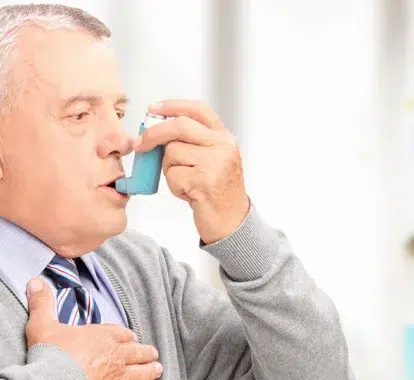
If you’re living with asthma or reactive airway disease, carrying your prescription medication is an essential safeguard. A quick relief inhaler can help open your airways when sudden symptoms strike, so make sure you always have one available during outdoor activities.
Using a rescue inhaler before strenuous activity may also help prevent asthma attacks. Do not try this tactic before you ask your healthcare provider if it’s appropriate for you.
If you have a child with asthma, be sure to bring their inhaler to summer camps, sports practices and other outdoor events.
Stay Hydrated and Take Breaks
Hot temperatures and physical exertion can place extra stress on your body. Staying hydrated is important for everyone, but especially for people managing asthma in hot weather.
Drinking water throughout the day helps keep your airways hydrated and may reduce irritation caused by dry or polluted air. You can also help prevent breathing difficulties by taking regular breaks during outdoor activities.
If you begin to feel short of breath, lightheaded or fatigued, move to a shaded area and rest until your symptoms improve.
Be Aware of Environmental Triggers
There are many potential irritants outside that can make your summer asthma symptoms worse. Smoke from grills or campfires can irritate your lungs, while pollen from grass and plants can trigger an allergic reaction that affects your breathing.
If possible, avoid sitting directly near smoke sources and consider wearing sunglasses to help reduce exposure to airborne pollen. Showering and changing your clothes after spending time outdoors can also help remove allergens that may otherwise continue to irritate you indoors.
Recognizing When Symptoms Need Medical Attention
While many summer asthma symptoms can be managed with medication and proper planning, it’s important to recognize when you need medical attention. If you experience persistent coughing, wheezing or difficulty breathing that can’t be controlled with your rescue inhaler, it may be time to seek care at our urgent care clinic.
Texas MedClinic treats a variety of respiratory concerns including asthma & reactive airway flare-ups, allergic reactions and breathing difficulties. Our healthcare providers can evaluate your breathing function, provide medication and recommend additional treatment to help you recover faster and prevent symptoms from becoming worse.
Enjoy Summer While Managing Asthma & Reactive Airway Disease
Having these issues does not mean you need to avoid outdoor fun. With the right precautions, you can safely participate in many summer activities. Monitoring air quality, carrying medication and staying hydrated can help you significantly reduce the risk of asthma flares.
If your summer breathing difficulties worsen during outdoor activities, professional medical care can provide relief and guidance to better help you manage your symptoms.
For convenient care to help you manage your asthma symptoms or other respiratory concerns, turn to Texas MedClinic Urgent Care. We can help you safely and comfortably enjoy everything summer has to offer.